 In a recent blog post – It’s LEMP Not LAMP – I discussed about making the switch to using NGINX (pronounced Engine-X). I had little-to-no issues getting by basic WordPress blogs up and running. However, for some reason I couldn’t get my older CakePHP sites up and working.
I was racking my brain forever, trying everything I could think of with the rewrite rules – thinking for sure this must be the root of the cause. In the end I thought it might just be an issue with the version of CakePHP I was using, as it was an older version (1.2.x). However, I just grabbed a clean copy from CakePHP’s Github of 1.2.10 and got it up and running without issues.
I’m of course even more confused at this point, so why am I writing this blog post you ask? The answer is simple, if you’re having issues with getting an old CakePHP site to work on NGINX, try upgrading your CakePHP version. (more…)
 Well – it’s Friday and all of the kids are back in school. While this post is being published, I’m probably stuck in traffic! I can’t believe it’s a new school year already, luckily my kids aren’t old enough so it’s just traffic that I need to get used to.
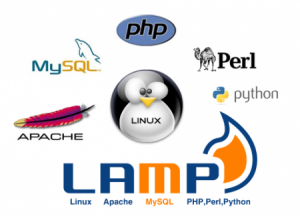 I’m sure many of you have heard the term LAMP before – standing for Linux Apache Mysql and PHP. This is a very typical setup for many open source websites. It’s been around for ages. But make way for LEMP. In a recent
 Google has long since ingrained into my brain how important every millisecond is when dealing with large amounts of traffic.