 I have a few thoughts for some testing/comparison of mysql tables that I have been curious about. Before starting though, I thought it was prudent that I should give it some thought about the approach. The first thing that came to mind was altering the A Simple But Effective Speed Comparison code to execute a bunch of SQL queries against my local installation.
I really didn’t like this approach because of the potential inaccuracy due to the overhead of the language and connecting to mysql before executing the queries. The whole purpose of these potential upcoming articles is to compare mysql, not a specific language integrating with mysql.
Luckily for us, as of Mysql 5.1.4, a tool called mysqlslap is shipped with the server installation. This tool allows us to client emulation against our mysql server!
 Are you confused by the title? I was when I first got the idea to even write this blog as well. I was recently perusing the CakePHP change logs and came across an interesting commit –
  Well – it’s Friday and all of the kids are back in school. While this post is being published, I’m probably stuck in traffic! I can’t believe it’s a new school year already, luckily my kids aren’t old enough so it’s just traffic that I need to get used to.
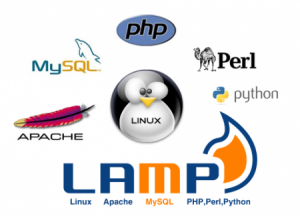 I’m sure many of you have heard the term LAMP before – standing for Linux Apache Mysql and PHP. This is a very typical setup for many open source websites. It’s been around for ages. But make way for LEMP. In a recent